← Back to Daily Supplements
4 Best Immune Support Supplements in 2026
The immune system is a complex network of cells, tissues, and organs that defends against pathogens. No single supplement "boosts" it — immune function requires adequate levels of multiple nutrients. The NIH Office of Dietary Supplements identifies four nutrients with the strongest evidence for immune support: zinc, vitamin C, vitamin D3, and selenium. Each supports a different arm of the immune system.
1. NOW Zinc Picolinate 50mg — Best for Antiviral Defense
Best for Antiviral
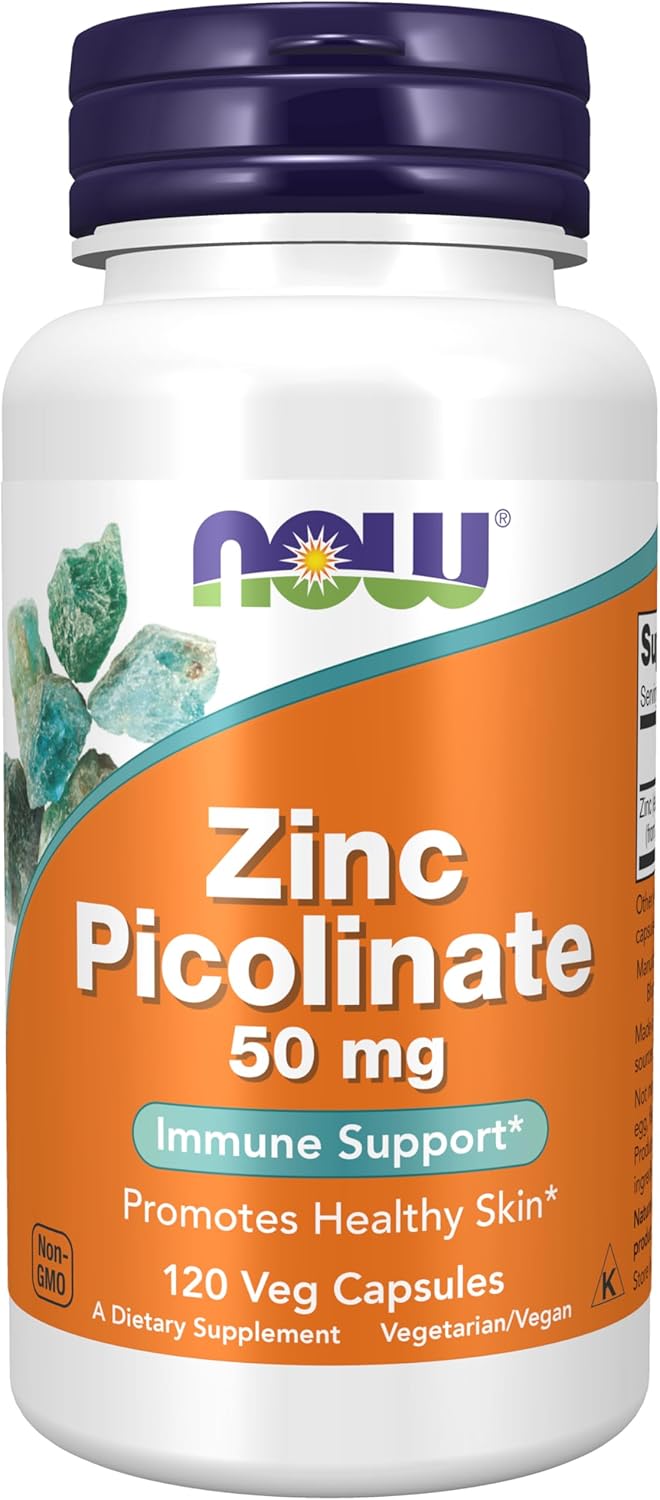
NOW Zinc Picolinate 50mg
NOW Zinc Picolinate provides 50mg elemental zinc in the highly bioavailable picolinate chelate form. Supports immune cell function, wound healing, and protein synthesis. 120 vegetarian capsules.
Price: $7.65 | Rating: 4.7/5 (8,616 reviews) | Form: Picolinate | Servings: 120
SHOP
Zinc is the mineral most directly tied to immune function. It's required for the development and function of neutrophils, macrophages, T-cells, and B-cells — essentially every immune cell type. Zinc deficiency (which affects an estimated 10-15% of Americans) impairs immune function and increases susceptibility to infections. Zinc lozenges taken within 24 hours of cold symptom onset have been shown to reduce cold duration in some studies, though results vary by formulation.
Picolinate is the best-absorbed form of zinc — the picolinic acid chelate facilitates transport across the intestinal wall. The 50mg dose is high (NIH upper limit is 40mg), so take 1 capsule every 2-3 days rather than daily to avoid copper depletion. At $7.65 for 120 capsules, it's the cheapest supplement on this list.
2. NOW Vitamin C-1000 with Bioflavonoids — Best for Cold Duration
Best for Cold Duration
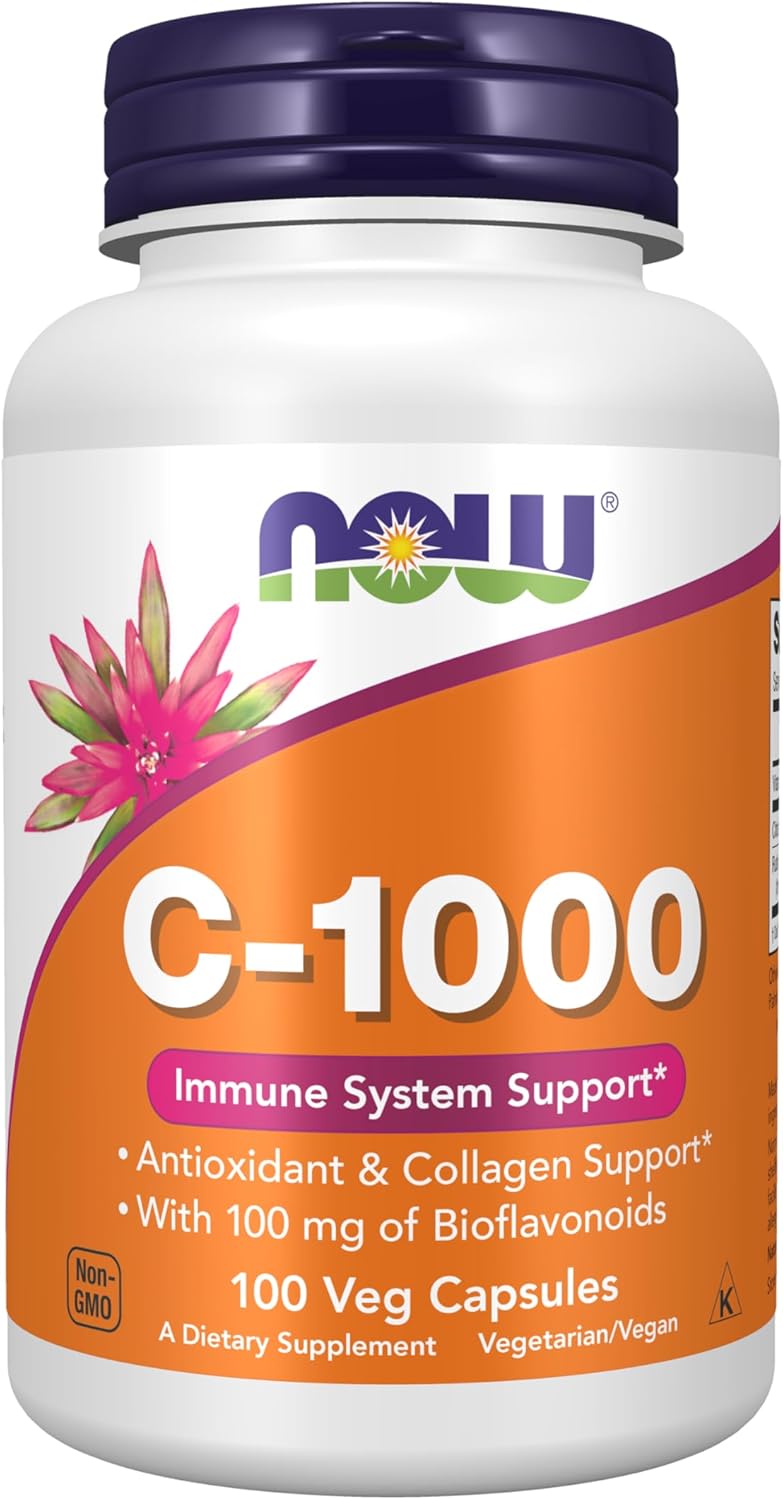
NOW Vitamin C 1000mg
1,000mg vitamin C with 100mg bioflavonoids per capsule. Supports immune cell function, collagen synthesis, and antioxidant defense. Reduces cold duration by 8% in adults.
Price: $9.16 | Rating: 4.8/5 (11,292 reviews) | Dose: 1000mg | Servings: 100
SHOP
(Also featured in our antioxidant supplements guide.) Vitamin C accumulates in immune cells — neutrophils contain 50-100x the concentration of vitamin C found in blood. When immune cells are activated during infection, they rapidly deplete their vitamin C stores. Supplementing maintains these stores and supports immune cell function.
A Cochrane review of 29 trials (11,306 participants) found that routine vitamin C supplementation (200mg+/day) doesn't prevent colds in the general population, but reduces cold duration by 8% in adults and 14% in children. For those under extreme physical stress, it reduced cold incidence by 50%. The 1,000mg dose is well above the 200mg used in studies, but safely below the 2,000mg upper limit.
3. Nature Made D3 5000 IU
Best for Immune Regulation
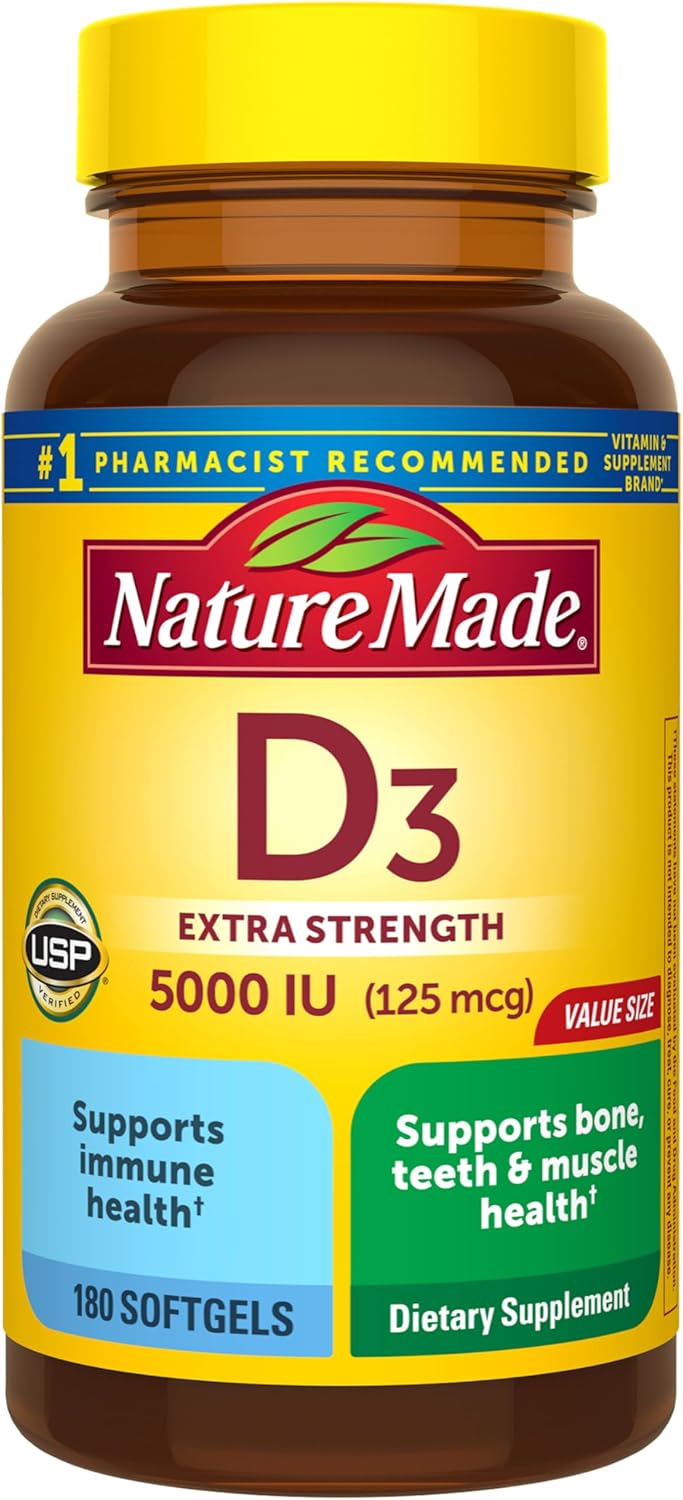
Nature Made D3 5000 IU
Nature Made D3 5000 IU provides high-potency cholecalciferol. Vitamin D3 regulates both innate and adaptive immunity. USP verified, 180 softgels.
Price: $13.01 | Rating: 4.8/5 (67,777 reviews) | Dose: 5000 IU | Servings: 180
SHOP
(Also featured in our D3+K2 guide.) Vitamin D3 is technically a hormone, not a vitamin — the body synthesizes it from cholesterol in the skin when exposed to UVB sunlight. Immune cells (T-cells, B-cells, macrophages) all have vitamin D receptors, and D3 regulates both the innate immune system (fast, general defense) and the adaptive immune system (targeted, memory-based defense).
Multiple studies have linked low vitamin D levels to increased respiratory infection risk. A meta-analysis of 25 trials found that vitamin D supplementation reduced the risk of acute respiratory tract infection by approximately 12%. For those with confirmed deficiency, the benefit was larger.
4. Thorne Selenium 200mcg — Best for Antioxidant Defense
Best for Antioxidant Defense
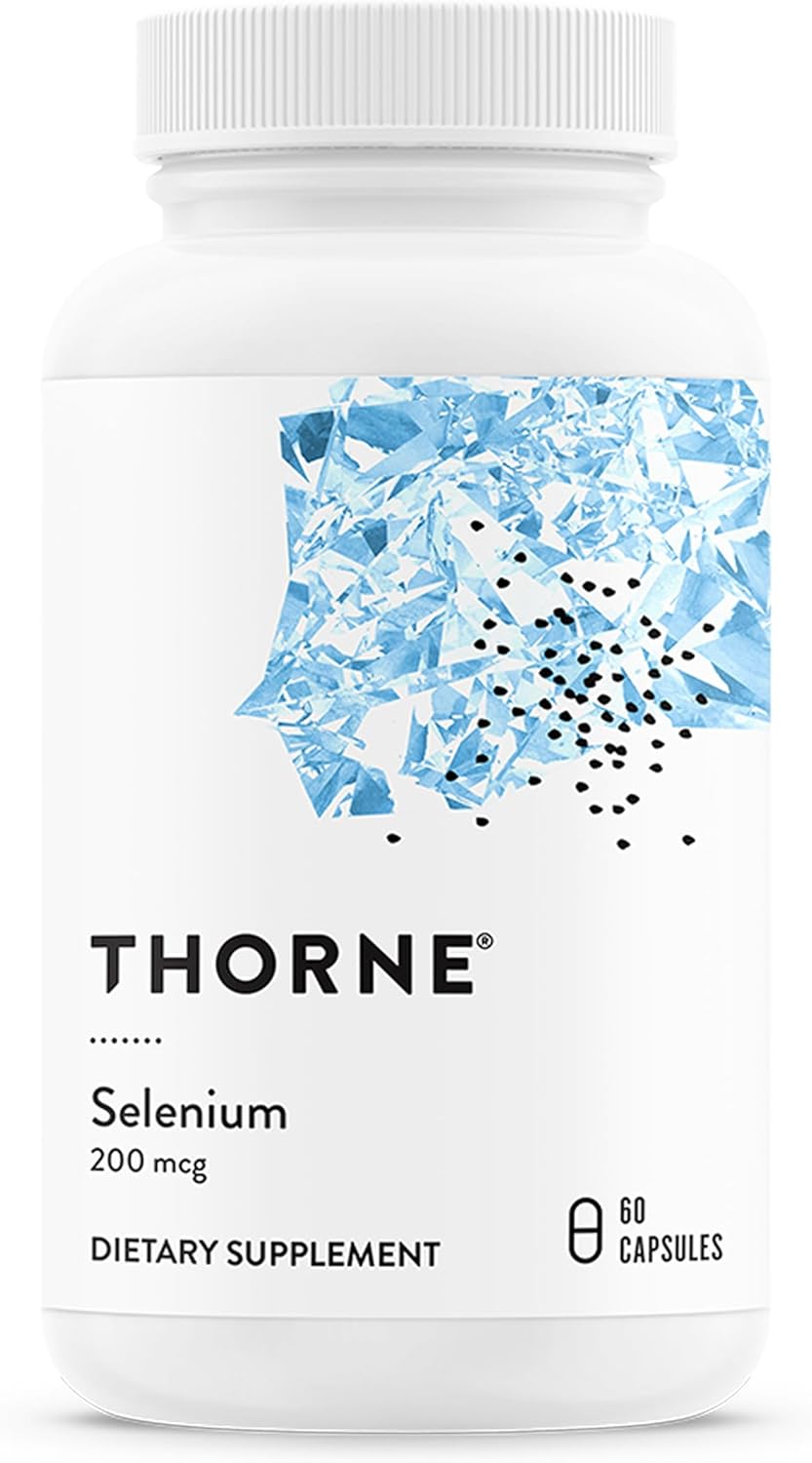
Thorne Selenium 200mcg
Thorne Selenium provides 200mcg L-selenomethionine. Essential for glutathione peroxidase — the antioxidant enzyme inside immune cells that protects them from self-destruction during pathogen clearance.
Price: $14.00 | Rating: 4.7/5 (4,492 reviews) | Form: L-Selenomethionine | Servings: 60
SHOP
(Also featured in our antioxidant supplements guide.) Selenium's immune role is indirect but critical: it's a cofactor for glutathione peroxidase (GPx), the enzyme that neutralizes hydrogen peroxide inside immune cells. When immune cells destroy pathogens, they generate oxidative "respiratory bursts" — selenium/GPx protects the immune cells themselves from the damage they cause. Low selenium = immune cells that self-destruct while fighting infection.
FAQ
What supplements actually boost the immune system?
Vitamin D3, zinc, vitamin C, and selenium have the strongest evidence. D3 deficiency increases respiratory infection risk. Zinc lozenges can reduce cold duration when taken early. Vitamin C reduces cold duration by 8% in adults.
Should I take zinc daily?
15-30mg daily is safe. Upper limit is 40mg. Above that long-term causes copper depletion. The 50mg product here should be taken every 2-3 days, not daily.
Can vitamin C prevent colds?
No — Cochrane review shows no prevention in general population. But it reduces duration by 8% in adults, 14% in children. For extreme physical stress (marathons), it reduces incidence by 50%.
What is the best form of zinc?
Zinc picolinate — the picolinic acid chelate facilitates absorption. Zinc oxide has poor absorption. NOW's picolinate at $7.65 for 120 capsules is excellent value.
← Back to Daily Supplements