← Back to Senior Dignity
Caregiver Gift Ideas: 10 Gifts That Actually Help in 2026
Here's what nobody tells you about caregiving: it's boring. Not always — not during crises, not during hospital visits, not during the moments when everything goes sideways. But in between those moments, caregiving is the same task repeated four hundred times: helping someone do something they used to do alone, watching them struggle, deciding whether to step in or let them try, feeling guilty either way.
The right gift for a caregiver isn't a scented candle. It's not a "You're an angel" mug. It's not a spa day that they'll never schedule because finding someone to cover their caregiving shift is harder than the shift itself. The right gift is something that makes the boring, repetitive, guilt-laden work of daily care measurably easier.
This guide is split into two categories: tools for the care recipient (that reduce the caregiver's workload by restoring independence) and tools for the caregiver (that address their own physical and mental depletion). Both matter. The caregiver who neglects their own needs becomes the patient eventually.
Last updated: August 2026.
 ►
►
Watch: The Only 5 Christmas Gifts to Get Senior Adults (Family Caregivers Save Money)
Gifts That Restore Independence
Every task the care recipient can perform alone is a task the caregiver doesn't have to do. This is the highest-leverage gift category: it helps two people simultaneously.
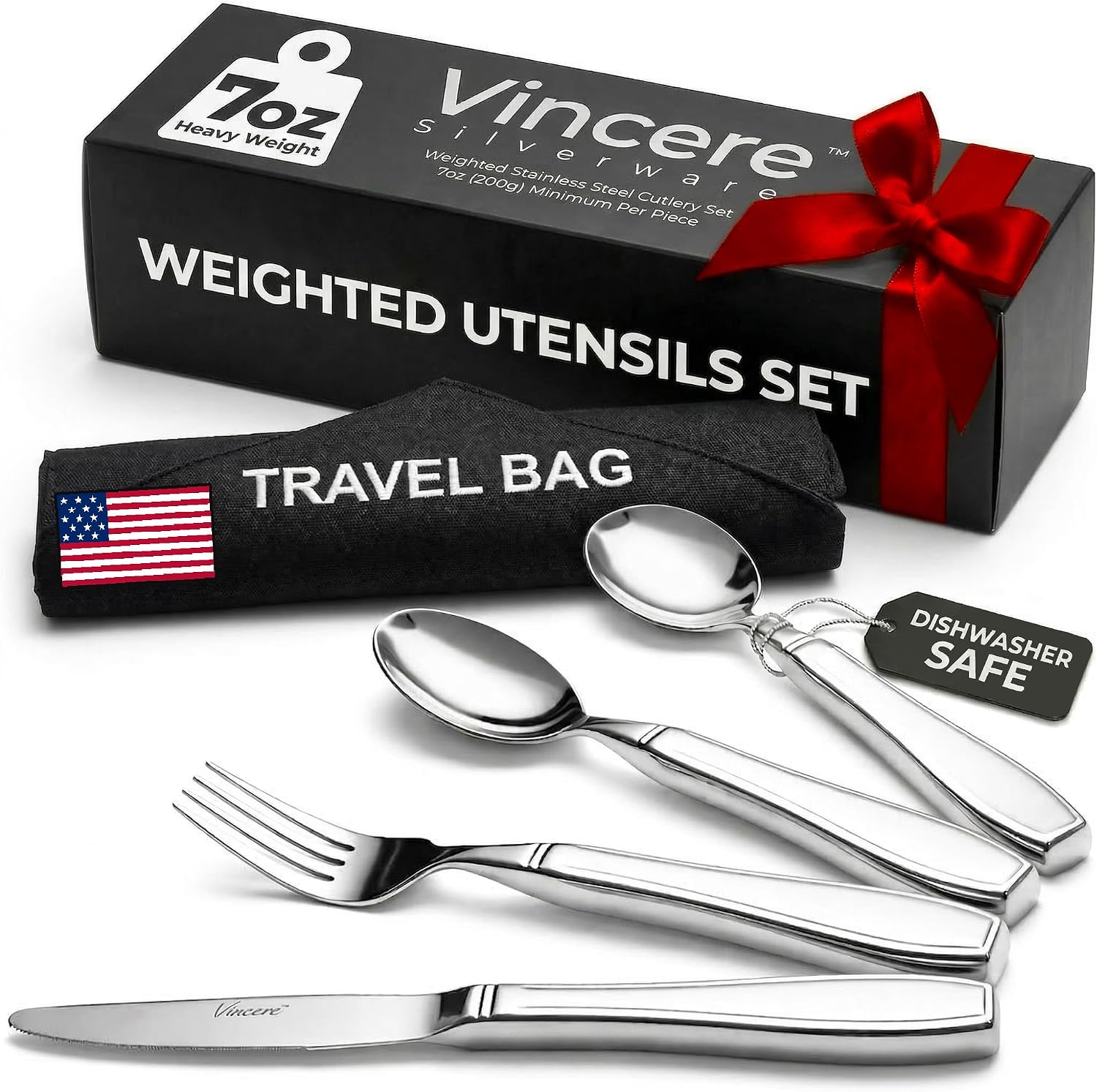
1. Weighted Utensils Set — Dining Independence
Top Pick
Weighted Utensils for Tremors
Weighted stainless steel utensils that dampen hand tremors — lets seniors with Parkinson's feed themselves independently, eliminating the most emotionally taxing caregiving meal.
Price: $54.99 | Rating: 4.7/5 (1,363 reviews)
SHOP
Feeding another adult is intimate in a way that makes both parties uncomfortable. The caregiver feels the weight of every missed bite, every turned-away fork. The care recipient feels the humiliation of being fed like a child. A weighted utensil set that lets someone with Parkinson's feed themselves doesn't just save the caregiver 20 minutes per meal — it returns a fundamental dignity that disease has taken.
For a full comparison of adaptive dining tools, see our adaptive utensils guide.
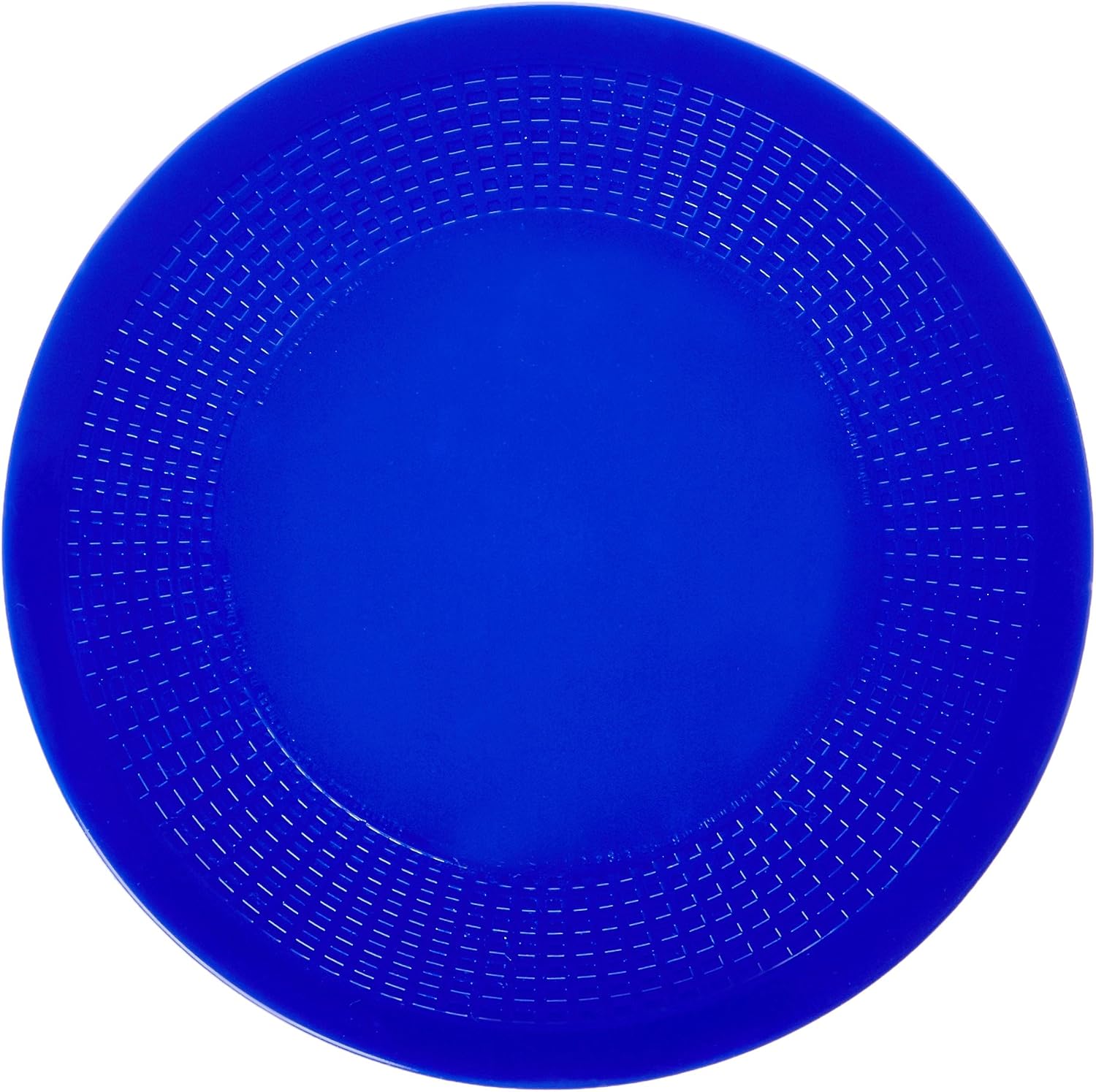
2. Dycem Non-Slip Mat
Under $20
Dycem Non-Slip Mat
Non-slip pad that anchors plates and bowls to the table — prevents the plate-chasing scenario that turns mealtime into a two-person operation.
Price: $17.38 | Rating: 4.7/5 (241 reviews)
SHOP
If the care recipient has use of one hand (post-stroke, hemiplegia, severe unilateral arthritis), they typically eat by pushing food against the plate's edge with a fork — but the plate slides away. The caregiver then has to hold the plate steady while the person eats, which is another 20 minutes of standing over someone, hovering, waiting to re-center the plate when it drifts.
A Dycem mat eliminates this. The plate stays put. The caregiver sits down and eats their own meal at the same time. This is what "gift that actually helps" looks like: a $17 piece of textured polymer that gives the caregiver their own dinner back.
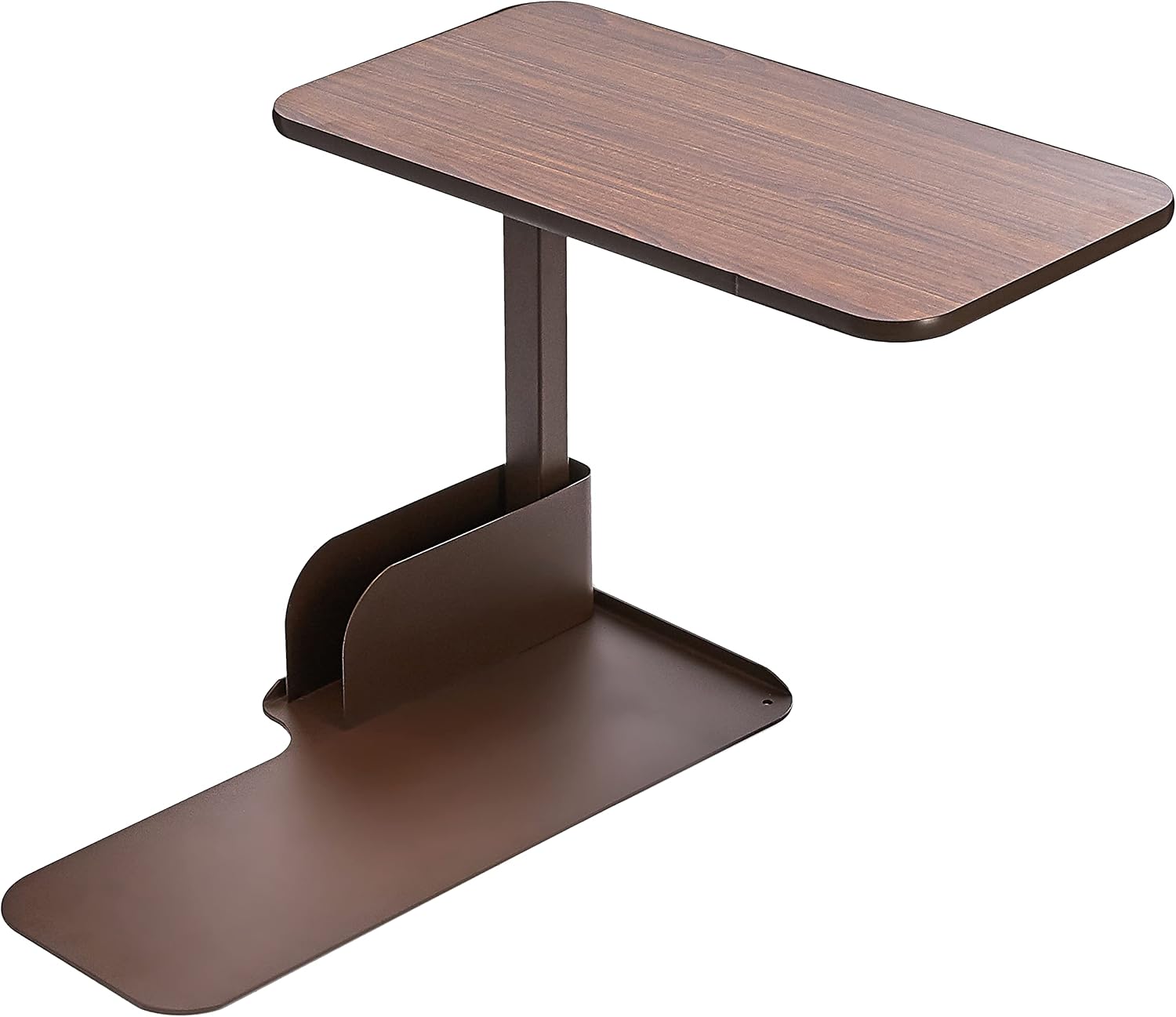
3. Drive Medical Overbed Table
Premium Pick
Drive Medical Overbed Table
Walnut overbed table that attaches to a lift chair — brings meals, medications, and devices to the person without requiring a walk to the dining table.
Price: $214.41 | Rating: 4.2/5 (570 reviews)
SHOP
When walking to the dining table is a 10-minute production involving a walker, two hallway transitions, and a chair that requires both hands and significant core strength to exit, meals get skipped. The caregiver either carries food to the bedroom (their 12th trip of the day) or the care recipient eats nothing and the caregiver worries about weight loss.
An overbed table that mounts to a lift chair creates a stable surface for meals, medications, books, and water — everything within arm's reach. The walnut finish means it doesn't look like hospital furniture. The left-side mount is designed for lift chairs specifically, not standard beds, which makes it more stable than freestanding overbed tables that wobble on caster wheels.
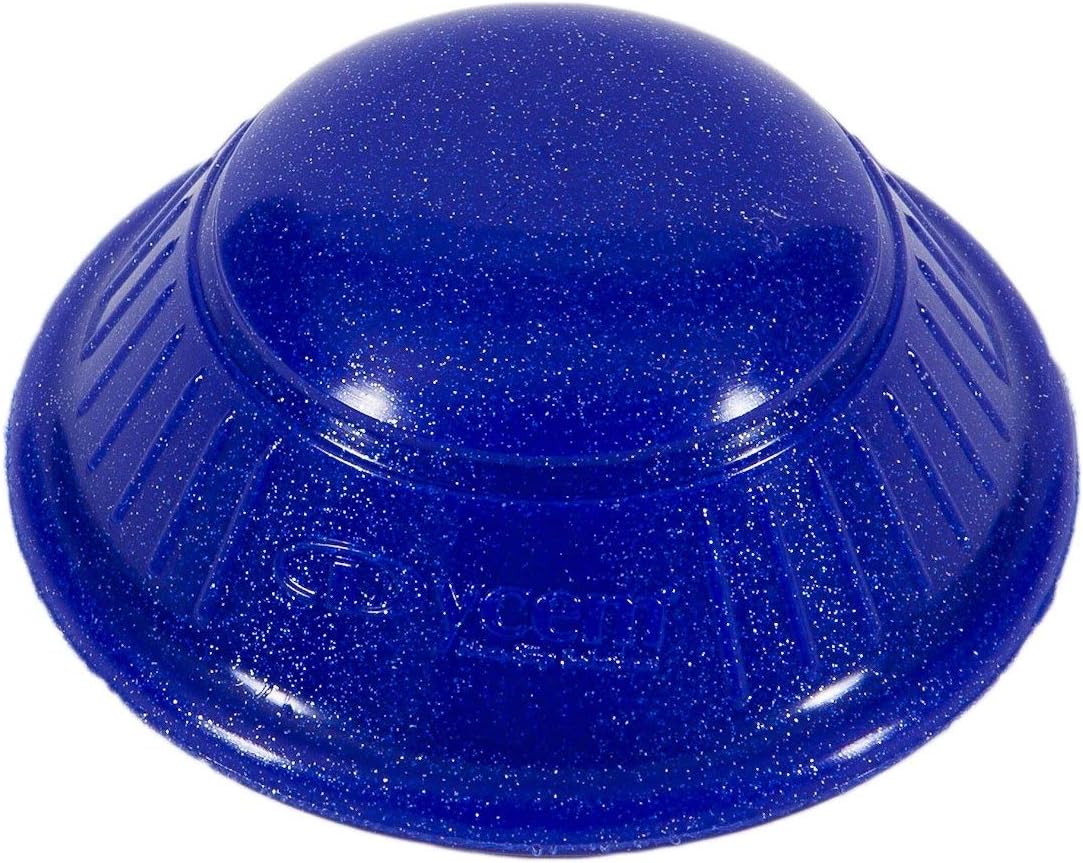
4. Dycem Cone Bottle Opener — Independence at the Jar
Under $16
Dycem Cone-Shaped Bottle Opener
Cone-shaped grip aid that provides the torque arthritic hands need to open jars and bottles independently — reduces the ten daily "can you open this?" interruptions.
Price: $15.98 | Rating: 4.5/5 (138 reviews)
SHOP
The "can you open this?" call happens, on average, six times per day in a household with one arthritic adult. It's not a big ask individually — but compounded over months, it becomes a friction point that erodes the care recipient's sense of competence and the caregiver's patience.
The Dycem cone opener costs $16 and eliminates the call. The cone shape provides mechanical advantage: wider at the top where the hand grips, narrow at the bottom where it contacts the lid. The non-slip material means even a weak grip generates enough rotational force to break a vacuum seal. The care recipient opens the jar. The caregiver doesn't stop what they're doing. Both people feel better.
5. Touchless Faucet — Infection Prevention
A touchless bathroom faucet eliminates the grip-and-twist motion that's painful for arthritic hands and the bacterial transfer that happens when dirty fingers touch the handle twice. For caregivers, it means one fewer contamination vector to worry about.
According to the National Institutes of Health, touchless fixtures reduce bacterial transmission by 40-70% in residential settings. For immunocompromised seniors — whose immune systems are already weakened by age, medication, or chronic conditions — this reduction is the difference between a normal week and a urinary tract infection that turns into a hospitalization.
Browse touchless faucet options in our Home Safety & Smart Living section.
Gifts for the Caregiver Themselves
The caregiver's needs are different. They're not fighting a disease — they're fighting exhaustion. The right gifts here address the physical toll of lifting, the mental toll of vigilance, and the emotional toll of watching someone they love decline.
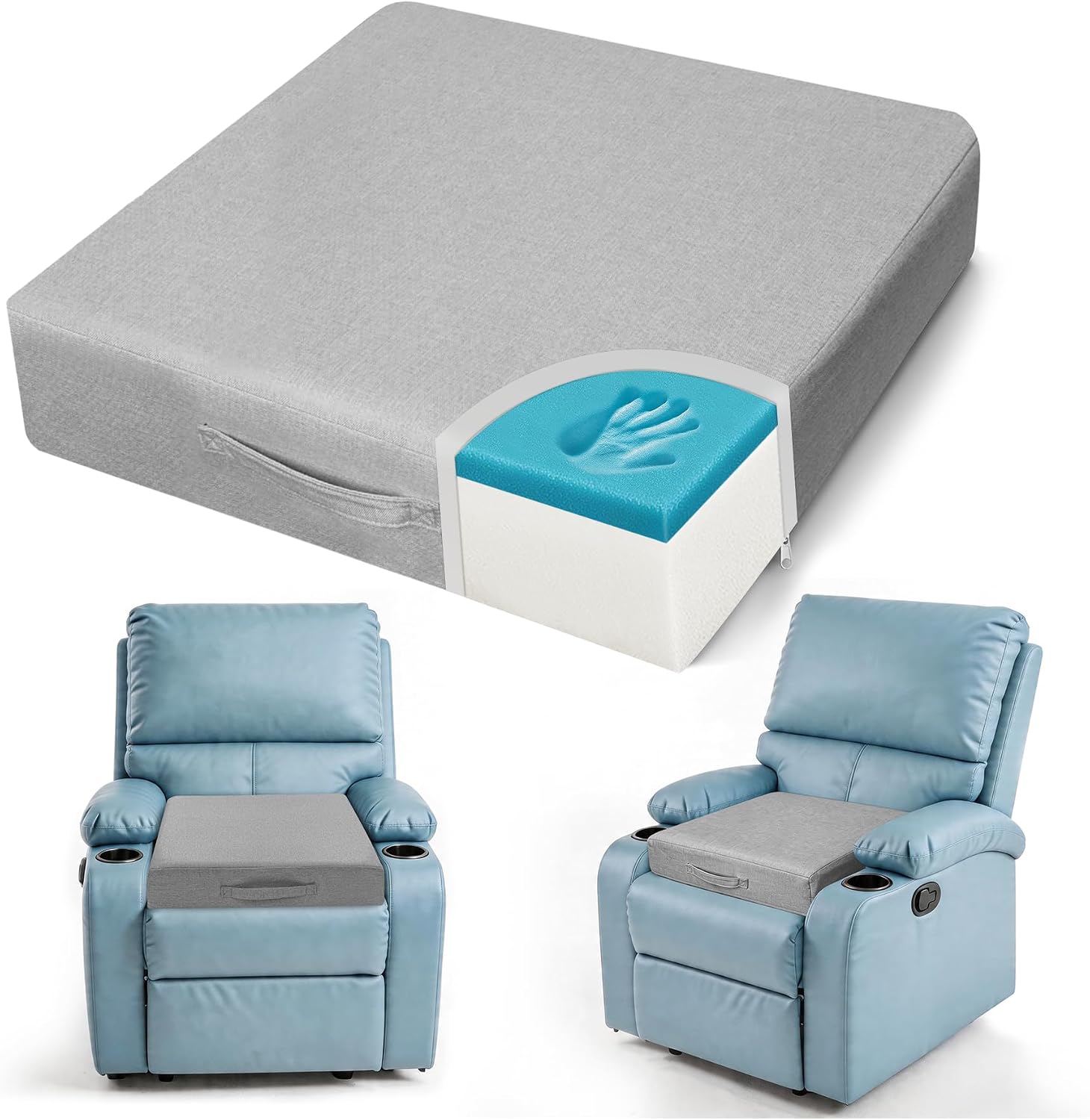
6. Gel Foam Recliner Cushion
Comfort Pick
Gel Foam Recliner Cushion
Dual-layer gel memory foam seat cushion that relieves pressure points during the long hours caregivers spend in hard chairs beside beds and recliners.
Price: $24.99 | Rating: 4.2/5 (29 reviews)
SHOP
Caregivers sit a lot. They sit beside the bed during naps. They sit in waiting rooms. They sit at dining tables monitoring meals. And the chairs they sit in are almost universally terrible — hard wooden kitchen chairs, vinyl hospital visitors' chairs, folding chairs at appointments. The physical toll of sitting on inadequate surfaces for hours daily accumulates as lower back pain, hip pain, and sciatica — which then makes the physical parts of caregiving (lifting, transferring, reaching) harder and more injury-prone.
A gel memory foam cushion is a $25 investment in the caregiver's body. The dual-layer construction (gel on top for cooling, memory foam below for pressure distribution) is the same technology used in premium wheelchair cushions. The non-slip base means it stays put on any surface. The carry handle means it travels to appointments and hospital visits.
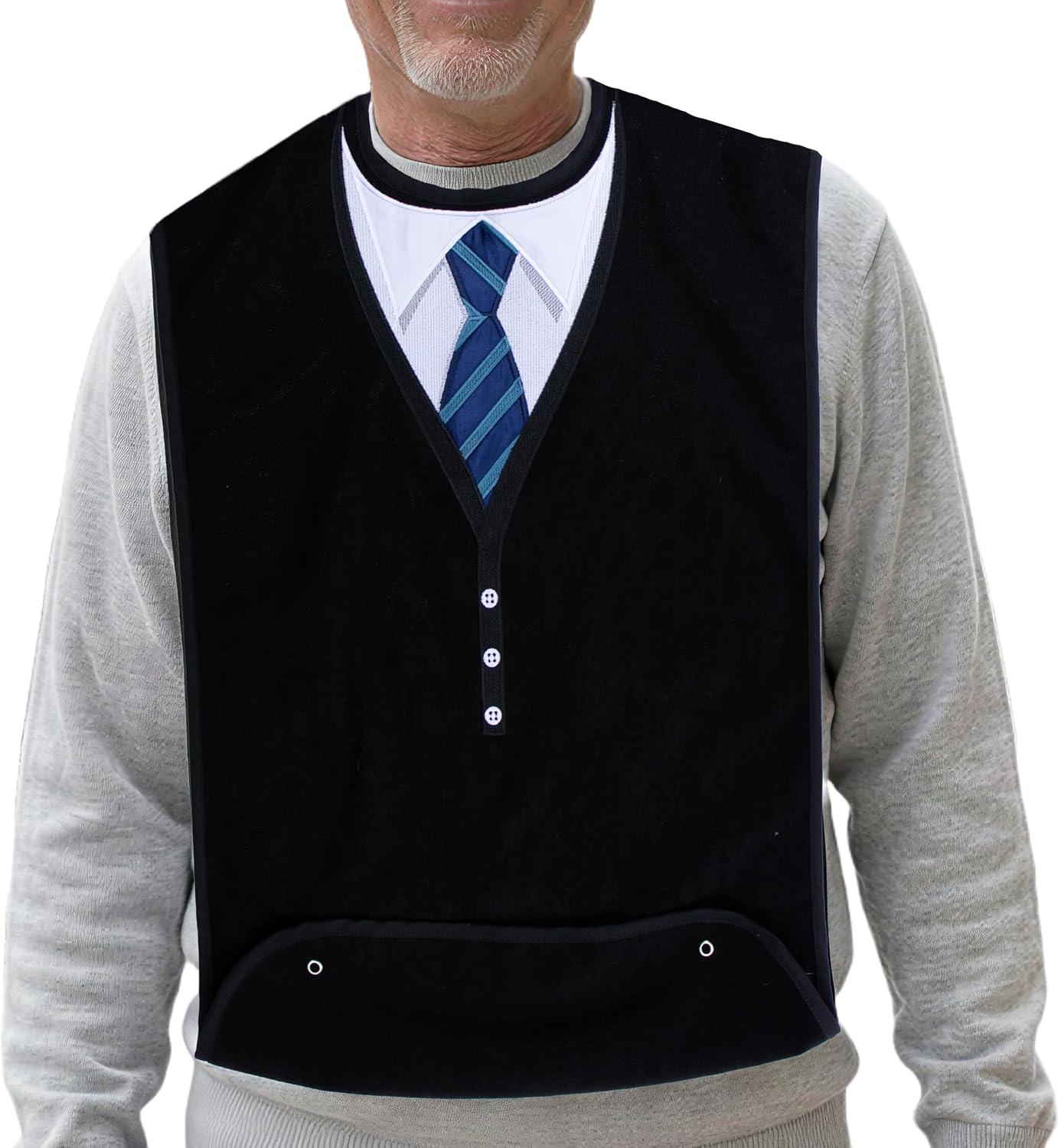
7. Adult Bibs (For the Caregiver's Laundry Load)
Practical
Reusable Adult Bibs
Waterproof clothing protectors that eliminate the three-outfit-per-day laundry cycle when meals are messy. Wipe-clean surface, crumb-catching pocket, dignified design.
Price: $21.99 | Rating: 4.5/5 (222 reviews)
SHOP
This gift is for the caregiver, not the care recipient — even though the care recipient wears it. Every food-stained shirt is another item in the laundry. Every stained shirt that doesn't get changed becomes a source of embarrassment. The bib breaks the cycle: one wipe-clean barrier instead of a daily pile of soiled clothing.
The key is presentation. Don't call it a bib. Call it a "dining protector" or "meal apron." Let the care recipient choose the color. Make it feel like an accessory, not an admission.
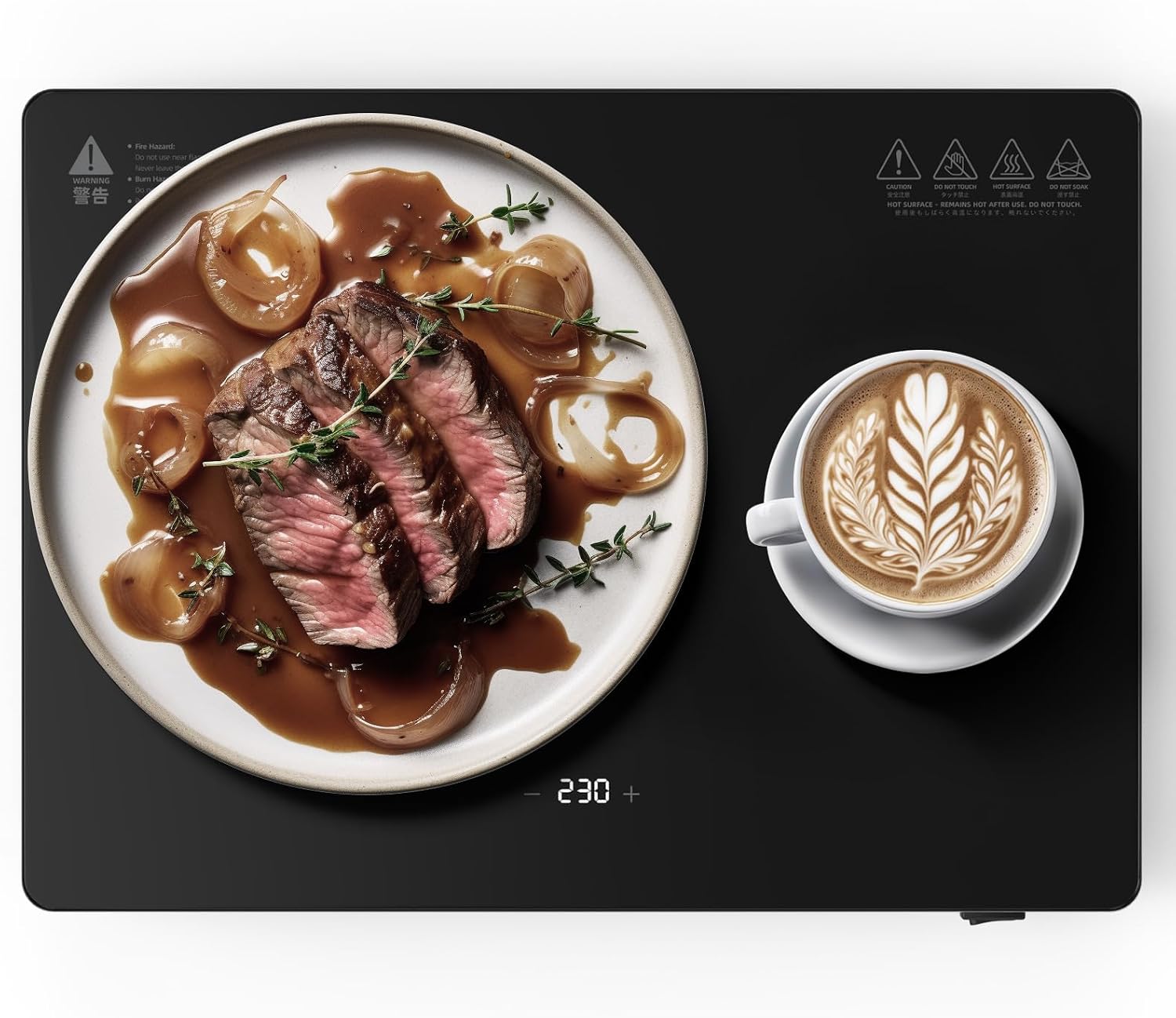
8. Electric Plate Warmer
Specialty
Plate Warmer for Slow Eaters
Electric warming tray with six temperature settings that keeps food at safe serving temperature throughout extended meals — eliminates the caregiver's role as food reheater.
Price: $42.80 | Rating: 4.1/5 (18 reviews)
SHOP
When meals take 45 minutes instead of 15, food gets cold. Cold food is unappetizing, which means the care recipient eats less, which means the caregiver worries about nutrition, which means the caregiver offers to reheat the food, which means a trip to the microwave, which means the food comes back nuclear-hot on the edges and frozen in the middle, which means nobody's happy.
A plate warmer eliminates this loop entirely. Set the temperature, place the plate, and the food stays at a consistent 140-170 degrees F for the duration of the meal. The caregiver eats their own food while it's still hot, at the same table, at the same time. This is what "respite" looks like in practice: not a spa day, but a hot meal eaten in peace.
9. Grab Bars — Fall Prevention Is Caregiver Relief
Every grab bar installed is a fall that doesn't happen. Every fall that doesn't happen is an ER visit avoided, a hospitalization prevented, a recovery period eliminated. For the caregiver, a grab bar means sleeping through the night without the 3 AM crash from the bathroom. It means not being on constant high alert during shower transitions. It means the ability to step into another room while the care recipient uses the toilet independently.
See our grab bar guide for specific recommendations, or visit the Senior Dignity hub for the full bathroom safety collection.
10. Smart Speaker — The Voice-Activated Assistant
A smart speaker is the caregiver's third hand. When they're in the kitchen preparing a meal and the care recipient calls for help, the caregiver can use voice commands to call the care recipient's room, check what they need, and assess urgency without physically going there. When medications need reminders, the speaker handles it — eliminating the caregiver's role as human alarm clock. When the care recipient is confused about what day it is, the speaker answers — eliminating the tenth repetition of "it's Tuesday, Mom."
For an in-depth look at how smart home tools support aging in place, read our Aging in Place Tools Guide.
How to Choose a Caregiver Gift
Observe the Friction Points
The best caregiver gifts come from watching, not asking. Caregivers rarely ask for help directly — they've usually internalized the role to the point where asking feels like failure. Instead, watch for the moments of friction: the sigh when the plate slides, the pause before opening a jar, the hesitation at the bathroom door. Each friction point is a gift opportunity.
Give Tools, Not Sentiment
A $20 adaptive utensil that lets someone feed themselves for the first time in months is worth more than a $100 spa gift card that never gets used. Caregivers are drowning in sentiment and starving for practical help. Be the person who brings the tool, not the card.
Frame It as Enhancement, Not Decline
"I found this cool new gadget" works better than "I thought you might need this because of your condition." The framing determines whether the gift is received as support or as judgment. Present adaptive tools as upgrades, not accommodations.
FAQ
Q: What is the best gift for a caregiver?
A: Gifts that reduce physical burden or restore the care recipient's independence. Adaptive tools like weighted utensils, non-slip mats, and grab bars reduce the caregiver's daily task load. Comfort items for the caregiver — cushions, sleep products — address their personal depletion.
Q: What should you not give a caregiver?
A: Avoid gifts that create more work: houseplants, pets, complicated gadgets, or anything requiring assembly. Also avoid inspirational caregiving books — most caregivers need practical help, not motivation.
Q: How much should you spend on a caregiver gift?
A: $20-100 is the sweet spot. Less feels like an afterthought. More creates obligation. The most appreciated gifts are useful items the caregiver wouldn't buy for themselves because they prioritize the care recipient's needs.
Q: Are FSA or HSA funds eligible for caregiver gifts?
A: Medical aids for the care recipient (grab bars, adaptive utensils, shower seats) may be FSA/HSA eligible with a doctor's recommendation. Comfort items for the caregiver are generally not eligible unless prescribed for a diagnosed condition.
The Bottom Line
The best caregiver gift is the one that makes the caregiver's presence less necessary — not because you don't care about them, but because reducing their burden is the highest form of care you can provide. Every task the care recipient performs independently is a task the caregiver can rest through, eat through, or simply sit through without being needed.
If you're buying for a caregiver and can only choose one item: get the Dycem non-slip mat ($17.38). It's the cheapest, it addresses the most universal problem, and it works on day one. Then add the weighted utensils ($54.99) if the care recipient has tremors, or the grab bars ($25-55) if the bathroom is the danger zone.
For the complete catalog of senior dignity products, visit our Senior Dignity & Accessibility hub — 46 products across bathroom safety, bedroom comfort, kitchen and daily living, mobility, and home safety.
Reviewed by Adele, Founder & Senior Gift Curator. Last updated August 2026. This article contains affiliate links and references NIH research. See our privacy policy for disclosure details.
Watch & Learn: Video Guides
 ►
►
Watch: Caregiver Gift Ideas Guide
 ►
►
Watch: Practical Gifts for Caregivers